
Fraud, Energy, & Stocks: 3 Niche AI Skills Making Dubai Professionals Irreplaceable
Everyone in Dubai is learning Python.
Everyone is adding "Machine Learning" to their CV.
And everyone is suddenly an "AI expert."
The problem?
Generic AI skills won't make you irreplaceable.
Dubai's market doesn't need another person who can run a basic regression model.
It needs specialists who understand fraud patterns in real-time banking systems.
Professionals who can optimize energy consumption for massive developments.
Traders who can build algorithmic models that beat the market.
These are the three niche AI applications where demand is exploding and supply is laughably low.
Let's break down why these specific skills are turning ordinary professionals into six-figure assets.
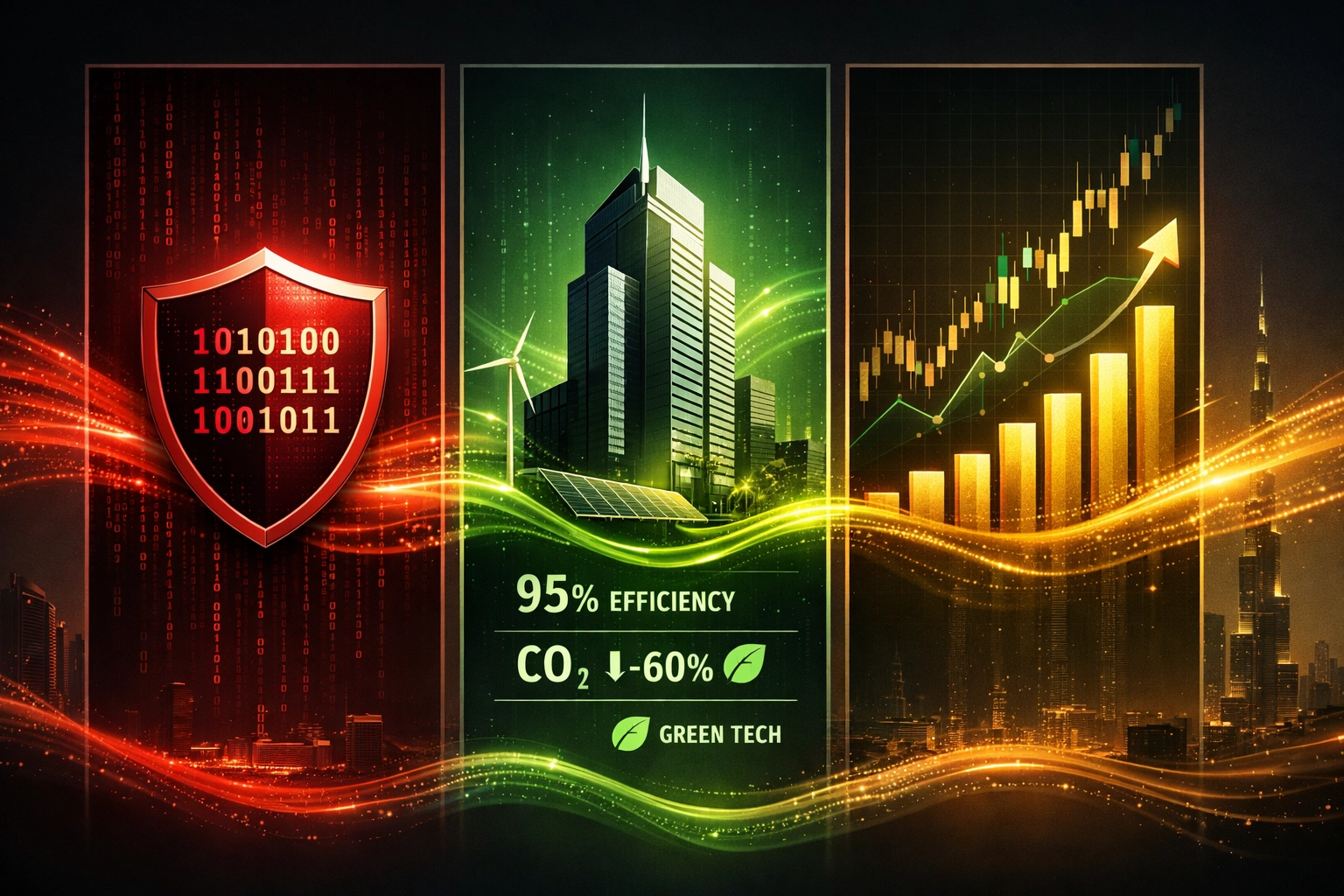
Skill #1: Fraud Analytics – The $2.3 Billion Problem
Dubai processes billions in transactions daily.
Financial fraud attempts? Also billions.
Traditional rule-based systems flag everything.
Your legitimate wire transfer gets frozen.
Actual fraudsters slip through using pattern variations the old system never saw.
Here's what changed:
Machine learning models now analyze behavioral anomalies in real-time.
They learn what "normal" looks like for each customer.
When something deviates: not just breaks a rule, but deviates from pattern: the system knows.

What Dubai Banks Actually Need
The UAE Central Bank reported a 340% increase in digital fraud attempts between 2024-2025.
Every major bank, fintech, telecom, and government entity is scrambling for professionals who can:
- Build anomaly detection systems using ensemble methods
- Reduce false positives (the #1 complaint about fraud systems)
- Deploy models that adapt as fraud tactics evolve
- Integrate predictive analytics into existing transaction pipelines
The kicker?
Most "AI experts" can't do this.
They know the theory.
They've never touched a live fraud dataset with 10 million transactions and 47 different feature vectors.
That's the gap AMBÉONE fills with real-world fraud analytics training.
Not theory. Not toy datasets.
Actual fraud scenarios from banking, insurance, and telecom with practitioner faculty who've spent decades inside risk departments.
Skill #2: Energy Efficiency Analytics – Dubai's Green Gold Rush
Dubai has a mandate: Net-zero emissions by 2050.
That's 24 years to transform one of the world's most energy-intensive cities.
Shopping malls running 24/7 AC in 45°C heat.
Desalination plants consuming massive power.
Real estate developments the size of small countries.
The old approach:
Hire energy consultants. Get a report. Implement some changes. Hope it works.
The new approach:
Deploy predictive models that optimize energy consumption in real-time based on weather patterns, occupancy sensors, equipment performance data, and grid pricing.

Why This Skill Commands Premium Pay
Dubai's real estate developers, facilities management companies, and government entities are throwing money at this problem.
Because every 1% reduction in energy costs across a portfolio like Emaar or DEWA translates to millions in savings.
The challenge?
Energy data is messy, high-dimensional, and time-series heavy.
You need to understand HVAC systems, sensor integration, and how to build models that facility managers can actually use.
Generic data science courses don't teach this.
They teach you pandas and matplotlib.
They don't teach you how to model chiller plant efficiency or predict cooling load 72 hours in advance.
AMBÉONE's Applied Analytics program includes an entire module on energy efficiency optimization.
Led by practitioners who've implemented these systems for actual Dubai properties.
Physical classroom. Real sensors. Actual HVAC data.
You walk out knowing how to reduce a building's energy footprint by 15-20% using predictive analytics.
That's a skill worth its weight in gold when every major developer in the GCC is hiring.
Skill #3: Algorithmic Trading – Where Code Meets Capital
Dubai's financial markets are sophisticated.
DIFC hosts hundreds of hedge funds, asset managers, and trading desks.
They all want the same thing: Alpha.
Returns that beat the market consistently.
The traditional trader:
Reads charts. Follows news. Makes gut decisions.
Maybe right 55% of the time if they're good.
The algorithmic trader:
Builds models that process thousands of data points per second.
Identifies patterns invisible to human analysis.
Executes trades at speeds measured in milliseconds.

What Makes This Different from "Regular" Machine Learning
Most people think algorithmic trading is just "predict stock prices."
That's not how it works.
Real algorithmic trading involves:
- Time-series forecasting with non-stationary data
- Risk management models that prevent catastrophic losses
- Backtesting frameworks that account for slippage and transaction costs
- Feature engineering from alternative data (sentiment, volume microstructure, order flow)
The hard part?
Financial data violates almost every assumption your textbook ML models make.
Markets aren't stationary. Returns aren't normally distributed.
Last year's winning strategy is this year's bankruptcy plan.
This is where machine learning courses in Dubai fall short.
They teach you to build models.
They don't teach you why those models fail spectacularly when you deploy them with real money.
AMBÉONE brings in practitioners with IIM MBAs and PhDs who've built trading systems for actual financial institutions.
Not academics. Not theorists.
People who've had their models lose money and learned why.
That knowledge: the "what not to do": is worth more than any textbook.
Why Dubai Specifically Needs These Skills Now
Dubai isn't just another market.
Financial Hub Status:
DIFC and ADGM compete globally for capital.
Fraud prevention and algorithmic trading directly support this positioning.
Sustainability Mandates:
Expo 2020's legacy includes strict ESG requirements.
Energy analytics isn't optional: it's compliance.
Economic Diversification:
The UAE's Vision 2030 strategy pushes away from oil dependence.
That means FinTech, PropTech, and CleanTech.
All three demand these exact specialized AI skills.
Talent Shortage:
Everyone wants to hire these specialists.
Almost nobody can train them properly.
The AMBÉONE Difference: Why Practitioner-Led Training Matters
Here's the uncomfortable truth about most AI courses:
They're taught by people who've never deployed a model in production.
The typical instructor:
PhD in computer science. Published papers. Zero business experience.
They can teach you gradient descent but can't explain why your fraud model has a 40% false positive rate in production.
AMBÉONE's approach:
Faculty with 30+ years of actual implementation experience.
IIM MBAs who've run data teams.
PhDs who've built systems for banks, trading firms, and energy companies.
And we only do physical classroom training.
No Zoom fatigue. No recording playback.
Real interaction with practitioners who can answer your "but what if…" questions in real-time.
The Projects That Actually Matter
Our Applied Analytics courses don't use Kaggle datasets.
You work with:
- Actual fraud transaction data with 2.3 million records
- Real energy consumption logs from Dubai commercial properties
- Historical stock data with microstructure features for algorithmic strategy development
These aren't sanitized academic exercises.
They're messy, real-world problems where 60% of your time goes to data cleaning and feature engineering.
Because that's what the job actually is.
What Happens When You Specialize
The average "Python for Data Science" graduate in Dubai earns AED 8,000-12,000/month.
Entry-level. Replaceable. Competing with 10,000 others.
A professional with specialized fraud analytics experience?
AED 25,000-35,000/month. Minimum.
Someone who can deploy energy optimization models that save millions?
AED 40,000+ and equity stakes in projects.
Algorithmic traders with proven strategies?
Base salary becomes irrelevant: it's all about performance fees.
The difference isn't talent.
It's specialization.
Generic skills get generic pay.
Niche expertise in high-demand, low-supply areas gets you the office with the Burj Khalifa view.
Your Next Move
Dubai's AI gold rush is real.
But the gold isn't in "learning AI."
It's in learning the applications that businesses will pay premium rates to implement.
Fraud analytics that stops million-dirham losses.
Energy models that meet sustainability mandates while cutting costs.
Trading algorithms that generate consistent alpha.
These aren't skills you pick up from YouTube tutorials.
They require guided, hands-on training from people who've actually done the work.

Check out AMBÉONE's specialized analytics programs.
Physical classroom in Dubai.
Practitioner faculty with real scars and real wins.
Projects that go straight onto your portfolio.
The market doesn't need another generalist.
It needs you with a specialized skill that solves a billion-dirham problem.
Which one will you master?